Hounslow Council permit rules for house removals: a practical guide for a smoother move
If you are moving house in Hounslow, the permit side of things can feel like the unglamorous bit nobody warns you about. But Hounslow Council permit rules for house removals can make or break moving day. Get them right and the lorry can stop where it should, the crew can work faster, and the street stays calm. Get them wrong and you may be facing tickets, awkward delays, or a very stressed afternoon with boxes still on the pavement.
This guide breaks down what the rules usually mean in plain English, how the process tends to work, where people trip up, and what to check before your removals team arrives. It also covers the practical side: loading access, bay suspensions, timed restrictions, and the small-but-important details that often get missed when everyone is focused on the kettle and the sofa.
Why Hounslow Council permit rules for house removals matters
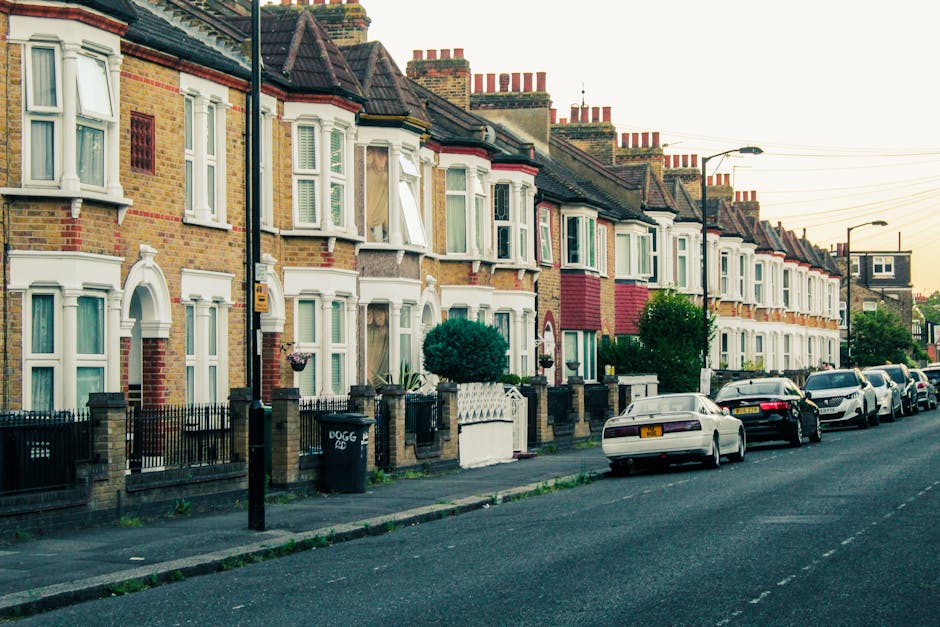
House moves are rarely just about lifting boxes into a van. In Hounslow, the real world often includes controlled parking zones, yellow lines, limited waiting areas, narrow residential streets, and neighbours who are already juggling school runs or deliveries. That is why permit rules matter. They are not a nice-to-have admin box; they are part of keeping the move legal, manageable, and less chaotic.
For many households, the biggest issue is not the distance of the move but the access. Can the removal vehicle stop outside the property? Is there enough room for a larger van or lorry? Will the driver need a bay suspension or another type of permission? If the answer is uncertain, you are already in the territory where permit planning becomes important.
There is also a timing factor. Moving day has its own momentum. You do not want a crew waiting around while someone tries to work out whether a vehicle can legally stay outside for twenty minutes. Even a short delay can snowball. The stairs get busy, the parking space disappears, and what should have been a clean handover starts to feel like a muddle. To be fair, that is exactly the kind of stress people want to avoid.
Good permit planning also helps protect everyone involved. It reduces the risk of fines, prevents unnecessary repositioning of the vehicle, and makes it easier for the removals team to move furniture safely rather than doing awkward extra carries from around the corner. If you are already arranging house removals, this is one of those details worth checking early, not after the boxes are stacked by the door.
How Hounslow Council permit rules for house removals works
The exact permission you need depends on where the vehicle will stop, how long it will stay there, and what kind of parking controls apply on that street. In simple terms, the council may require advance notice or formal permission when a removals vehicle needs to use restricted parking space, loading areas, or suspended bays. On some streets, a standard pay-and-display bay may be fine; on others, a removal lorry parked without proper approval could create a problem straight away.
The process usually starts with the moving date and the address. From there, you work out whether the removal vehicle will need to park on-street, use a bay, or load from a permit-controlled area. If your building has a forecourt, private driveway, or off-street access, you may not need anything beyond sensible planning. But many Hounslow homes sit on busy roads or tight residential terraces, and that is where permission questions begin.
It also helps to understand that a permit for removals is not always the same as a general parking permit. Sometimes the issue is a loading exemption or a temporary suspension rather than a standard parking arrangement. That distinction matters, because the right permission depends on the street layout and the restrictions in place. If you are unsure, do not guess. It is a small mistake with annoying consequences.
In many cases, the removals company will ask you for the essential details ahead of time: moving date, collection and delivery postcodes, vehicle size, access notes, and whether there is any parking control outside either property. A well-prepared team can then plan around the restrictions or advise what needs checking. If your move is complex, it can be worth speaking with experienced removal services rather than trying to improvise on the morning.
One practical point people overlook: the council rules apply to the street, but the move itself still has to work inside the property. A permit may let the vehicle stop close by, but it does not fix a blocked hallway, a low doorway, or a sofa that really should have been measured before moving day. The permit is one piece of the puzzle, not the whole thing.
Key benefits and practical advantages
Getting the parking side right brings a few very real advantages. Some are obvious, others only become obvious when things go wrong. Here is the short version.
- Less risk of fines or disputes because the vehicle is parked in line with local rules.
- Faster loading and unloading since the team can work closer to the property.
- Better safety when furniture is not being carried unnecessary distances down the road.
- Lower stress for everyone, especially when children, pets, or neighbours are involved.
- Cleaner scheduling because the removals team can plan realistic arrival and departure times.
There is also a commercial benefit if you are comparing moving companies. A provider that asks the right questions about parking and council permissions usually has better operational discipline. That is a good sign. You want people who think ahead, not people who turn up, look at the road, and say, "Hmm, we may have a small problem here."
For flats, terraces, and homes in busier parts of the borough, the difference can be huge. A vehicle that can stop nearby may cut the carry time from several minutes per item to just a few seconds. That sounds small. It is not. Over the course of a full house move, it saves energy, reduces breakage risk, and keeps the day moving at a steady pace.
If you are still in the planning stage, it may also help to think about the wider service mix. Some households need packing help, others need temporary storage, and some need a smaller vehicle rather than a large lorry. Pages such as packing and boxes and storage can be useful when the move is being planned in layers rather than as one straightforward day.
Who this is for and when it makes sense
Not every move in Hounslow will need a formal permit arrangement, but a lot more do than people expect. The households most likely to need to think about council permit rules are those moving from streets with controlled parking, limited loading, busy main roads, or no private driveway.
This usually includes:
- homeowners or tenants in terraced streets
- flat residents with no allocated loading bay
- families moving on weekdays when parking is tight
- people using a larger moving van or lorry
- anyone expecting a bulky furniture load, such as wardrobes, beds, or appliances
It also makes sense for shorter local moves. Funny thing, people sometimes assume a small move does not need the same planning. But a one-bed flat can still involve awkward parking, especially if the property is on a busy road and the vehicle needs to sit outside for more than a quick drop-off.
Student movers in particular often underestimate this. A few boxes, a desk, a mattress, and a couple of suitcases can still become a parking problem if the only space outside the property is restricted. If that sounds familiar, a service like student removals may be a better fit because the planning tends to be more flexible and tailored to lighter loads.
For commercial relocations, the same logic applies. Different type of move, same parking headaches. If your move involves stock, office furniture, or a larger team, see commercial moves for the broader service context. The permit rules may differ slightly, but the need to manage access properly is exactly the same.
Step-by-step guidance
If you want to keep this simple, follow the process below. It is not glamorous. It works.
- Check the parking situation at both addresses. Look for yellow lines, permit bays, loading restrictions, and any signs that suggest timed controls.
- Measure access where needed. Width of the road, height restrictions, and awkward bends can all affect vehicle choice.
- Confirm the moving vehicle size early. A small van, Luton-style van, or larger truck can each create different parking needs. Pages like removal van and moving truck are useful reference points when deciding on vehicle type.
- Ask whether a permit, bay suspension, or loading permission is needed. Do not assume the same rule applies across the borough.
- Build in a buffer. Morning traffic, lifts, stairwells, and last-minute packing always take longer than expected. Always.
- Share all access details with your removals provider. Even small things matter, like a narrow entrance, a steep hill, or a road that fills up after school drop-off.
- Keep proof and confirmation handy. If permission has been arranged, keep the details ready for the day itself.
One simple way to reduce mistakes is to walk the route from front door to vehicle the day before. It sounds basic because it is basic, and basic is good here. You will notice things in ten minutes that are easy to miss on a spreadsheet: the door that swings awkwardly, the step that catches the trolley, the tree branch hovering lower than you remembered.
If you prefer a more full-service approach, you may want a team that can help with packing, loading, and route planning as part of a broader move. That is where man and van or a more comprehensive removals service can make the logistics much easier.
Expert tips for better results
Here are the things that tend to make the biggest difference in the real world, especially when the street is busy and the clock is ticking.
- Plan for the worst parking case, not the best one. If the space outside the property disappears regularly, assume it may not be there on moving day.
- Choose your move time carefully. Early starts are often easier because the street is quieter and loading is more predictable.
- Use smaller carrying loads where sensible. That reduces back-and-forth time and keeps the team moving smoothly.
- Label items by room and priority. It sounds unrelated, but quicker unloading can matter when parking time is limited.
- Keep a "first hour" box. Kettle, mugs, phone charger, toilet roll, keys, and a few basics. Tiny thing, huge relief at 6:30 in the evening.
In our experience, people who over-focus on the permit and ignore the load plan still end up having a hard day. The permit gets the van close enough. The load plan gets the furniture inside. Both matter. No point in one without the other, really.
If your move involves fragile items or unusually heavy pieces, look at specialist help rather than treating everything as standard boxes. A piano, for instance, is not a normal carry. The same goes for a slate-heavy dining table or a large wardrobe that barely fitted through the bedroom door in the first place. Pages like piano removals and furniture removals reflect that kind of specialised handling.
And a small human note: if the day feels a bit overwhelming, that is normal. Moving home is one of those jobs that looks tidy in theory and slightly absurd in practice. Boxes in the hallway, tape everywhere, someone asking where the charger went. Happens all the time.
Common mistakes to avoid
Most parking issues during house removals come from a few predictable mistakes. The good news is that they are usually avoidable if you know what to look for.
- Leaving permit checks too late. This is the big one. Even a small delay can create a domino effect.
- Assuming one property rule applies to the whole move. Collection and delivery addresses can have different restrictions.
- Forgetting about the return journey. A clear space when loading does not guarantee the same on arrival, or vice versa.
- Booking the wrong size vehicle. Too large can be awkward for access; too small means extra trips.
- Not telling the mover about local restrictions. If the driver only learns about them on arrival, the day becomes less efficient.
Another common issue is assuming that a "quick move" needs less planning. Sometimes quick moves are the ones that cause the most parking pain because everybody relaxes a bit too much. It is the classic trap. You think, "We only need a small van." Then suddenly the sofa does not fit, the street is blocked, and the move is no longer small at all.
If you are comparing providers, take note of how they talk about parking and access. A careful company will ask about streets, bay availability, and building layout before quoting. That sort of detail matters more than a flashy promise. If you want a good all-round starting point, review house removalists as well as removal companies to see how the service is framed.
Tools, resources and recommendations
You do not need a complicated toolkit to handle council permit planning well. A few simple things do the job:
- a note of both full addresses, including postcode
- photos of the street outside each property
- the moving date and preferred time window
- a rough inventory of heavy or bulky items
- building access notes, such as lifts, stairs, or concierge arrangements
On the service side, it helps to look at the move as a chain rather than a single task. Packing, carrying, transport, and unloading all affect how parking should be handled. If your move is still being pieced together, packing and unpacking services can save a lot of time, while house removals can keep the whole process under one roof.
For people who want to reduce waste while moving, it can also be sensible to sort items ahead of time. Unwanted furniture can be dealt with separately instead of being squeezed into the removal load. A page like furniture pick up is useful if you want bulky items removed before moving day, not after the stress has built up.
Truth be told, the best resource is still a clear plan written down in one place. Digital notes are fine. A paper checklist on the fridge is fine too. Whatever works. Just do not leave it all in your head, because moving week has a funny way of turning a good memory into a very patchy one.
Law, compliance, standards, or best practice
This is the bit where caution matters. Council parking rules, road restrictions, and any temporary permissions can change, and the correct approach depends on the exact street and move setup. The safest approach is to treat Hounslow Council permit rules for house removals as something to verify in advance rather than assume from past experience or neighbour advice.
From a best-practice point of view, the key expectations are straightforward:
- park only where the vehicle is permitted to stop
- do not block access, crossings, or emergency routes
- make sure loading does not create avoidable danger for pedestrians
- coordinate the moving time with the actual parking conditions
- keep evidence of any arranged permission or booking details
Professional removals firms should also work with sensible health and safety standards. That means lifting safely, using the right equipment, and avoiding rushed manoeuvres around narrow pavements or busy traffic. If you want reassurance on that front, it is worth reviewing the company's health and safety policy and insurance and safety information before you book.
For many households, the right answer is not "permits first, everything else later." It is more balanced than that. The legal and practical pieces should move together. Parking, insurance, access, and transport all need to line up. That is how you avoid the last-minute scramble that nobody wants.
Options, methods, or comparison table
Different moves call for different approaches. Here is a simple comparison to help you think about the practical options.
| Option | Best for | Strengths | Things to watch |
|---|---|---|---|
| Small van move | Light loads, tight streets, shorter distances | Easier parking, faster manoeuvring | May need more trips if the load is bigger than expected |
| Removal van or Luton-style vehicle | Typical house moves with furniture and boxes | Good balance of capacity and access | Parking space and road width matter more |
| Larger moving truck | Full property moves, larger households, bulky loads | Fewer trips, efficient for bigger volumes | More likely to need careful parking planning or permission |
| Man and van | Flexible, smaller, or mixed-size moves | Useful for local and short-notice jobs | May not suit very large furniture loads on its own |
If you are unsure which route to take, start with the access problem, not the van problem. It sounds backwards, but it is not. The road outside your home often decides the vehicle, not the other way around. That is especially true in compact streets and blocks of flats where parking is a bit of a daily chess match.
Case study or real-world example
Imagine a family moving from a two-bedroom terraced house in Hounslow to another property a few streets away. The collection street has controlled parking and the home has no driveway. The new property is on a road with tighter parking but clearer access. At first glance, it seems like a very ordinary move.
Then the practical issues start to appear. The removal vehicle needs to stop close enough for furniture loading. The street is busy around the school run. One side has a resident bay, the other has yellow line restrictions, and the safest stop point is not the most obvious one. The team needs to load a sofa, a mattress, several boxes, and two awkward chest-of-drawers without blocking the pavement for too long.
In that situation, a bit of planning changes everything. The customer checks access early, shares photos of both streets, and confirms whether permission is needed. The removals team arrives with the right vehicle and the load plan already in mind. Boxes come out in the right order, the parking arrangement does not cause a stall, and the move finishes without a drama. Not perfect, but smooth. Which, on moving day, is basically gold.
That is the point of understanding council permit rules. They are not there to make life difficult. They are there to help the day run cleanly when the street is doing its best to be inconvenient.
Practical checklist
Use this checklist a few days before the move and again the evening before.
- Confirm collection and delivery addresses, including postcodes
- Check whether each street has parking restrictions or loading limits
- Decide whether a permit, bay suspension, or loading permission may be needed
- Tell your removals provider about access issues, stairs, lifts, and vehicle limits
- Choose the right vehicle size for the load
- Separate fragile items, essentials, and anything that should travel with you
- Make sure keys, documents, and phone chargers are easy to find
- Prepare parking notes for the driver if the street is tricky
- Remove anything that could block hallways or entry points
- Keep confirmation details accessible on moving day
If a move is still a few weeks away, this is also a good moment to think about what will not be coming with you. Sorting out surplus items in advance can make the move feel noticeably lighter. A mix of furniture removals and recycling and sustainability thinking often helps reduce waste and clutter at the same time.
Get a free quote today and see how much you can save.
Conclusion
Hounslow Council permit rules for house removals are one of those things that feel secondary until they suddenly are not. Once you factor in restricted bays, busy streets, access issues, and the size of the moving vehicle, the whole picture becomes clearer: parking is part of the move, not separate from it.
The best approach is simple. Check the street early, tell your removals provider everything useful, and do not leave access planning until the last minute. A little preparation saves a lot of rushing. And if the day still feels a bit messy? That is fine. Most house moves do. The goal is not perfection. It is a calm, sensible move that gets you into the new place with your sanity mostly intact.
There is something oddly satisfying about that first box being placed exactly where it should be. Small win, but a good one.
Frequently Asked Questions
Do I need a permit for house removals in Hounslow?
It depends on where the vehicle will park and what restrictions apply outside the property. If the street has controlled parking, loading limits, or bay restrictions, some form of permission may be needed.
How far in advance should I check permit rules?
As early as possible. A few days before the move is usually too late to be comfortable if the street is complicated. Aim to check as soon as the moving date is confirmed.
Does every house move need council permission?
No, not every move does. Homes with private driveways, clear access, or unrestricted parking may not need any special arrangement. But many Hounslow streets are not that straightforward.
What if my collection address and delivery address have different parking rules?
Then both sets of rules matter. The vehicle has to be able to operate safely and legally at each end of the move.
Is a loading bay the same as a permit?
Not always. A loading bay, parking permit, and temporary bay suspension can be different things. The right one depends on the road and the level of restriction.
Can a man and van service help with permit-related moves?
Yes, especially for smaller or more flexible moves. A good man and van service can often work well where access is tight and the load is not huge.
What happens if a removal vehicle parks where it should not?
There may be a penalty, and it can delay the move. It can also create awkward loading conditions and extra stress, which is usually the bigger problem on the day itself.
Should I tell the removals company about parking restrictions?
Absolutely. In fact, this is one of the most useful things you can tell them. Street details, signs, and access notes all help the crew plan properly.
What if I have heavy or awkward furniture?
Say so early. Bulky items affect vehicle choice, loading time, and sometimes the need for closer parking. Specialist handling may be useful for things like pianos or large pieces of furniture.
Is weekday moving harder than weekend moving in Hounslow?
It can be. Weekdays often bring more traffic, school-run congestion, and tighter parking competition. That does not make weekends perfect, but it can make a difference.
How do I reduce the chance of moving-day delays?
Confirm parking early, keep access details clear, choose the right vehicle, and prepare your boxes in advance. Little things add up quickly here.
What should I do if I am still unsure about the parking rules?
Speak with your removals provider and share the exact street details. A practical team will usually spot access issues quickly and help you decide the next step.
For a move that feels more organised from the start, explore home moves and pricing and quotes when you are ready to plan the next step.