Small access home removals challenges on Hounslow roads
Posted on 25/06/2026
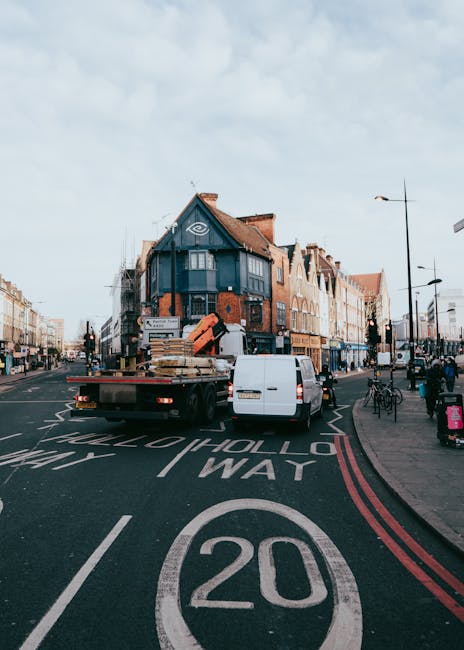
Moving house sounds simple on paper: book a van, pack the boxes, load everything, and get on with life. Then reality arrives. Narrow side streets, awkward bends, parked cars, timed restrictions, tight stairwells, and the odd bus route all conspire to make small access home removals challenges on Hounslow roads a very real planning issue. If you live in a flat above a parade, a terraced house with no proper driveway, or somewhere near a busy local route, the removal job can become more about logistics than lifting.
This guide breaks the problem down in plain English. You will see why access matters, how small-access moves are typically managed, what can go wrong, and how to avoid the classic headaches that cost time, money, and patience. We will also cover practical comparisons, a real-world style example, and a checklist you can actually use. Let's face it, moving is stressful enough without a van blocking half the road while everyone waits.
Why Small access home removals challenges on Hounslow roads Matters
Hounslow is the kind of place where two streets that look similar can behave completely differently on moving day. One may have enough room for a van to pull in cleanly; the next may be hemmed in by parked cars, tight turning angles, and a front garden wall that makes carrying furniture feel like a puzzle. When access is limited, every part of the move becomes more sensitive: timing, vehicle choice, loading order, and even how the team parks for the first five minutes.
Why does this matter so much? Because a removals job is usually planned around distance and volume, but access can be the thing that really determines the pace. A short road with poor kerb space can add more time than a longer route. A first-floor flat with a narrow stair turn may need more careful handling than a larger home with easier entry. And in the real world, the smallest delay often causes the biggest knock-on effect. One van stuck awkwardly outside a property can mean blocked neighbours, extra carrying distance, and a rushed team. Nobody wants that, obviously.
This is also where local knowledge starts to matter. If a mover understands the practical rhythm of Hounslow roads, they can plan around the sort of things that frustrate less prepared crews. That includes school run traffic, busier high streets, residential parking pressure, and routes that look straightforward on a map but are less forgiving once a box truck turns up.
If you are still deciding how to approach the move, it may help to look at the wider context of available removal services and how they fit different property types. For some households, the answer is a more compact vehicle and a careful carry plan. For others, the better choice is a full service package with packing support from packing and boxes help.
How Small access home removals challenges on Hounslow roads Works
Small-access removals are not a special type of magic trick. They are just moves that need more precise preparation. In practice, the process usually starts with assessing the property and the road outside it. Is there space for a removal van to pause safely? Is there a loading bay? Can the vehicle reverse in or must it stop further away? Are there narrow gates, shared entrances, steps, or tight corners inside the building? These questions shape the whole operation.
Once the access points are understood, the removal plan is adjusted. That may mean using a smaller van, sending two vehicles instead of one larger one, bringing extra moving equipment, or splitting the job into timed loading runs. Sometimes a move that seems tiny in volume still needs a surprisingly detailed plan because the access route is the real complication.
In Hounslow, the road outside the property often dictates the method. If the nearest stopping point is not directly outside the front door, the team may have to carry items further by hand or use trolleys and protective straps. That makes good packing even more important, because a poorly packed box is far more likely to fail when it is carried a longer distance over a kerb or around a corner.
You will also notice that the best removals teams think in stages. They do not just "turn up and lift." They work out where the van sits, where the larger items go first, what can be dismantled in advance, and which pieces should be kept nearest the exit. For smaller-access homes, that staged approach is what keeps the move calm instead of chaotic.
For certain move types, the choice between a compact option and a larger crew matters a lot. A useful starting point is to compare man with van support with more complete removal services in Hounslow. The first may suit lighter, quicker moves. The second is often better when access, volume, and time pressure all stack up together.
Key Benefits and Practical Advantages
It may sound strange to talk about benefits when the topic is access trouble, but there are real advantages to handling small-access moves properly. The main one is control. Once the access challenge is recognised early, you can plan around it rather than discovering it halfway through the job with a sofa stuck at the doorway. That alone can save a lot of stress.
Another benefit is protecting your belongings. Good access planning reduces the chance of scraping walls, knocking door frames, or twisting heavy furniture through tight spaces. It also gives the crew more time to move carefully rather than quickly. And in removals, speed without control is usually where trouble begins.
There is a financial angle too. A well-planned move is less likely to run over time, need emergency fixes, or require extra labour at the last minute. If you want to avoid awkward surprises, reading about hidden removals charges in Hounslow is a sensible move before you book anything.
Practical advantages often look like this:
- Faster loading because the access route has been mapped in advance
- Less chance of damage to doorways, banisters, and furniture edges
- Better use of smaller vans where parking space is limited
- Fewer delays caused by blocked road space or awkward manoeuvres
- A calmer moving day for everyone involved, including neighbours
There is a nice side effect too: the move feels more professional. Everything runs with a bit more rhythm. You know where the boxes are going, the van is parked sensibly, and the loading order makes sense. Small things, but they matter.
Who This Is For and When It Makes Sense
This topic is especially relevant if you live in a property where access is limited before the removal even starts. Think top-floor flats, maisonettes above shops, older terraced homes with narrow hallways, or properties on roads where parking is always at a premium. It also applies if your home sits near busier routes where stopping outside for long periods is unrealistic. Hounslow has plenty of these situations.
It is also useful for students, renters, first-time buyers, and anyone moving with only a modest amount of furniture but a disproportionate access problem. A single-bed flat can still be awkward if there is no direct loading space. One heavy wardrobe through a tight stairwell can be more difficult than an entire room of light boxes. Strange, but true.
In our experience, small-access planning makes the biggest difference when one of these applies:
- The property has no driveway or usable front space
- The nearest legal parking is some distance away
- The building has stairs, narrow corridors, or awkward turns
- The road is busy at the likely moving time
- The move includes bulky items like wardrobes, beds, or a piano
If you are moving out of a flat, it is worth checking guidance around flat removals in Hounslow. For smaller, more flexible moves, man and van options can be a very practical fit. If the move is bigger or more layered, full house removals support may save more time than you expect.
Step-by-Step Guidance
Here is a sensible way to tackle a small-access move on Hounslow roads without turning it into a day-long headache.
- Assess the property access early. Walk from the front door to the road and note gates, steps, narrow landings, awkward corners, low branches, and parking limits. If it looks tight to you, it will probably feel tight on the day.
- Measure the bulky items. Sofas, bed frames, wardrobes, drawers, and appliances should be measured before moving day. A lot of problems come from pieces that are only a few centimetres too wide for a staircase bend. Annoying, yes.
- Decide on the right vehicle size. A smaller van may be easier to park and safer for tighter streets. In some cases, two smaller runs beat one oversized vehicle that cannot stop properly outside the home.
- Pack for carry distance, not just storage. If boxes will be carried further than normal, keep them lighter and sturdier. Heavy, overfilled boxes become miserable very quickly when there are steps and kerbs involved.
- Plan the loading order. Put the bulkiest items closest to the exit and keep essentials apart. That reduces shuffling and keeps the move flow sensible.
- Check parking and timing. Even informal access problems become much worse at peak traffic times. A slightly earlier start can make a huge difference.
- Protect the route. Floor coverings, blankets, edge protection, and a simple path out of the home reduce the chance of damage.
- Keep a backup plan. If the van cannot get directly outside, decide in advance where it will stop and how items will be carried. This is the bit many people forget until the driver arrives.
If you need a compact vehicle setup, it can help to review the practical use of a removal van versus a more flexible man with a van arrangement. For larger or more sensitive items, such as upright instruments, you may also need specialist handling from piano removals.
Expert Tips for Better Results
The best tip is the boring one: plan earlier than you think you need to. Most access problems are manageable if they are known in advance. If they are found at 8:30 on moving morning, they are harder to solve and more expensive to absorb. That's just the truth of it.
Another good habit is to think like the person carrying the item, not just the person owning it. Would a fridge fit through the hall if it had to turn immediately after the doorway? Can a mattress be angled without hitting a wall light? Will the route still work if it is raining, and the pavement is slippery? These are small questions, but they save big grief later.
A few more expert-level pointers:
- Use lighter boxes for books and dense items; heavy boxes are a trap.
- Dismantle furniture where possible, especially if stair turns are tight.
- Label fragile items clearly, but also mark which room they belong in.
- Keep shared entrances clear. Neighbours will appreciate it, honestly.
- Tell the removals team about any unusual access detail, even if it seems minor.
One thing people often underestimate is the emotional side. If you are moving from a flat with no lift, the climb can feel longer than it really is. By the third or fourth trip, everyone gets a bit quieter. That is normal. A good team anticipates that and keeps the pace steady rather than forcing speed for the sake of it.
To make the whole process smoother, it is useful to understand the wider service choices available through removals in Hounslow and the differences between removal companies when access becomes the key variable. If the move also involves temporary holding space, storage solutions can reduce pressure and simplify the timing.

Common Mistakes to Avoid
Most access problems are not caused by bad luck. They are caused by underestimating the move. That sounds harsh, but it is usually true.
One common mistake is assuming the van can simply stop right outside. On Hounslow roads, that may not be realistic, especially near busier streets or homes with heavy resident parking. Another classic error is packing everything to the brim and then discovering the box is too heavy to carry safely down stairs. It's a bit of a comedy until someone strains their back.
Watch out for these mistakes in particular:
- Not checking parking restrictions before booking the move
- Forgetting to measure large furniture against narrow entrances
- Leaving dismantling work until moving morning
- Overfilling boxes with books, crockery, or small appliances
- Failing to warn the removals team about stair-only access
- Ignoring weather, which affects grip, carrying, and pace
There is also a timing mistake people make: booking during the busiest part of the day because it is convenient personally, even though the road is clearly less practical then. A later start may suit you, but if the access is worse, the job feels harder for everyone. Slightly earlier is often smoother. Sometimes much smoother.
And yes, good communication matters. If you need student-style flexibility or a smaller footprint, compare your options carefully with student removals or a simple man with van service. The right fit often depends on access more than volume.
Tools, Resources and Recommendations
You do not need fancy equipment to manage a small-access move well, but a few basic tools make life easier. A sack barrow or trolley is useful if the carry route is longer than expected. Furniture blankets and corner protectors help when space is tight. Strong tape, labels, dust sheets, and decent gloves are all small investments that pay off quickly.
For planning, a phone camera is surprisingly handy. Walk the route from van space to front door and take a few pictures of the tight spots. Later, those photos can help the removal crew judge whether a wardrobe can turn in the hall or whether it needs to be carried a different way. Not glamorous, but effective.
Here is a quick comparison of practical options:
| Option | Best for | Main advantage | Main limitation |
|---|---|---|---|
| Small van | Narrow roads and limited parking | Easier access and manoeuvring | May need more trips |
| Man and van | Light to moderate moves | Flexible and quick to deploy | Less suitable for large family moves |
| Full removal service | Heavier loads and complex access | More hands, more control | Usually costs more than a minimal setup |
| Storage first, move later | Staggered timelines | Reduces pressure on moving day | Not always needed for simple moves |
If you are comparing a simple one-van move with a broader package, it is worth looking at the company's overall approach to removal services rather than focusing only on the vehicle. Access planning is a service feature in its own right.
Law, Compliance, Standards, or Best Practice
For home removals, the legal and practical baseline is not glamorous, but it matters. Vehicles need to be used safely, loads should be secured properly, and anything involving lifting or carrying should be handled with care. In the UK, safe moving practice generally means avoiding unsafe lifting, preventing trip hazards, and keeping access routes clear wherever possible. If a road or pavement is busy, parking and unloading must be managed with extra caution.
That is where professional standards and sensible judgment come in. A good mover should think about route safety, load stability, property protection, and communication with the customer. If someone is carrying bulky items up stairs, they should be wearing suitable footwear and using the right method. If there is a narrow entrance, it should be protected rather than treated as an obstacle to "push through."
It also makes sense to be clear about what is and is not included before the move starts. That is a best practice as much as a customer protection measure. If there is a waiting period, difficult parking, or extra carrying distance, everyone should know how that affects the job. Clear terms reduce friction, and frankly, that is half the battle.
For business and customer confidence, it helps to understand policies around insurance and safety, health and safety, and the practical booking terms set out in terms and conditions. If you are comparing providers, that transparency can matter as much as the quote itself.
Options, Methods, or Comparison Table
Choosing the best method is often a matter of balancing access, budget, and the amount of work you want to do yourself. A flat move with one awkward sofa is not the same as a full family house shift with access issues. The right answer varies, and that is fine.
| Method | When it works well | Best local fit | Consider if... |
|---|---|---|---|
| DIY van hire | Very small loads and confident movers | Short, simple transfers | You have the time and lifting help |
| Man with a van | Light-to-medium home moves | Tight Hounslow streets | You need flexibility and local familiarity |
| Full removals team | Complex access or heavier furniture | Upper floors, narrow access, busy roads | You want fewer trips and more handling support |
| Split move with storage | Timing gaps or staged delivery | Moves with delayed completion dates | You need breathing room between properties |
There is no perfect option for everyone. In fact, the best choice is usually the one that matches the access reality outside the property, not the one that sounds cheapest at first glance. Cheap can get expensive fast if the van cannot stop where it needs to stop.
Case Study or Real-World Example
A useful example is a typical flat move near a busy Hounslow road where the resident has a sofa, a bed, a wardrobe, and several boxes. On paper, it looks straightforward. In practice, the road has limited parking and the front entrance sits a short walk away from the nearest sensible stopping point. There is no lift, the stairwell turns tightly on the landing, and the sofa arm needs careful angling to avoid the wall.
The first thing a prepared team does is slow the job down, which sounds odd but works well. They park where they can unload safely, carry the lighter boxes first, and keep the hallway clear. The wardrobe is dismantled before it reaches the most awkward part of the stairwell. The sofa is wrapped properly and moved with two people rather than one person trying to "just tilt it a bit more." You know how that goes. It usually ends with someone saying, "It looked easier from downstairs."
Because the access issue was identified early, the move stays controlled. There are no surprise delays, no last-minute scramble for extra help, and no repeated dragging of heavy items back and forth. That is the whole point of planning around access: fewer surprises, fewer near misses, better energy at the end of the day.
If the move is especially time-sensitive, some households also look at same day removals in Hounslow. That can be useful in short-notice situations, though it still benefits from the same access checks. Urgency does not remove the need for a sensible plan.
Practical Checklist
Use this checklist before the van arrives. It is simple, but simple is good.
- Measure bulky furniture and compare it with doorways, stairs, and landings
- Check where the van can legally and safely stop
- Confirm whether you need a small van, larger van, or extra hands
- Keep corridors, stairs, and entrances free of clutter
- Label boxes by room and weight, not just by contents
- Separate fragile items and keep them easy to reach
- Dismantle furniture in advance if possible
- Warn the removal team about any narrow access, steps, or shared entrances
- Have parking or timing backup plans ready
- Keep essentials, keys, documents, and chargers with you
Key takeaway: small-access moves are won before moving day, not on it. The more clearly you understand the route, the safer, calmer, and faster the job usually becomes.
Conclusion
Small access home removals challenges on Hounslow roads are not unusual, and they are not impossible. They simply need a more realistic plan than a standard point-to-point move. Once you factor in parking, carry distance, stair access, property layout, and vehicle size, the whole process becomes much more manageable.
The big lesson is this: access is part of the move, not an afterthought. When you plan for it properly, you protect your belongings, save time, and reduce pressure on everyone involved. That is especially useful in busy local streets where timing and space are never as generous as you would like.
If you are weighing up the best approach, it may help to compare different moving options, look at the property type, and decide how much lifting you really want to take on yourself. A calmer move is often the smarter move. And honestly, you will feel the difference by the end of the day.
Get a free quote today and see how much you can save.
Even a tricky road can lead to a smooth move when the plan is properly thought through. That part never gets old.


 CALL US NOW


